
Jakarta, hitclubapk3 Indonesia
—
Japan
is preparing to restart operations at the world’s largest nuclear power plant (NPP) after approval by the Niigata region on Monday (22/12).
The decision marks an important step in the country’s return to nuclear energy nearly 15 years after the Fukushima disaster.
The Kashiwazaki-Kariwa plant, which is about 220 km from Tokyo, is one of 54 reactors being shut down.The closure came after the 2011 earthquake and tsunami damaged the Fukushima Daiichi plant in the worst nuclear disaster since Chernobyl.
ADVERTISEMENT
SCROLL TO CONTINUE WITH CONTENT
According to Reuters, since then, Japan has reactivated 14 of the 33 reactors that are still viable, as part of a strategy to reduce dependence on imported fossil energy.
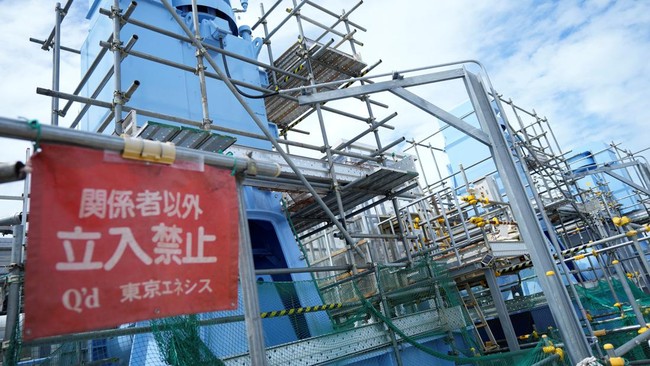
Kashiwazaki-Kariwa will be the first facility operated by the Tokyo Electric Power Co (TEPCO), the company that also manages the Fukushima plant.
On Monday, Niigata Prefecture’s parliament passed a vote of confidence in Niigata Governor Hideyo Hanazumi, who last month supported restarting the plant, effectively paving the way for the facility’s restart.
Ahead of the vote, around 300 demonstrators, the majority of them senior citizens, staged a demonstration outside the Niigata parliament building ahead of the vote.
In cold weather of 6 degrees Celsius, they carried banners of “No Nukes”, “We oppose the resumption of Kashiwazaki-Kariwa”, and “Support Fukushima”.
The action was accompanied by the singing of “Furusato”, a national song that describes emotional ties to the homeland.
“Is TEPCO fit to operate Kashiwazaki-Kariwa?”a demonstrator asked into a microphone, to which the crowd answered with shouts of: “No!”
According to the NHK report, TEPCO is considering restarting the first reactor on January 20, although the company has not yet confirmed a timetable.
“We remain firmly committed to not repeating this accident and ensuring that Niigata residents do not experience something similar,” said TEPCO spokesman Masakatsu Takata.
Earlier this year, TEPCO promised to invest 100 billion yen (around Rp. 11 trillion) in the region over the next decade.However, public concern remains high.
A prefectural government survey showed that the majority of residents considered preparations inadequate and still doubted TEPCO’s capabilities.
One of the strongest opponents of restarting the plant is Ayako Oga, a 52-year-old who fled Fukushima in 2011.
“We know firsthand the risk of a nuclear accident and cannot ignore it,” said Oga.
He also added that he is still struggling with symptoms similar to post-traumatic stress due to the Fukushima disaster.
Even Governor Hanazumi hopes that Japan can finally reduce dependence on nuclear energy.
“I want to see an era where we don’t have to rely on anxiety-inducing energy sources,” he said.
(rnp/dna)